Explore the latest initiatives, workshops, academic engagements, research activities and community outreach efforts undertaken by Gender Resource Centre (CNLU-GRC).
Explore Events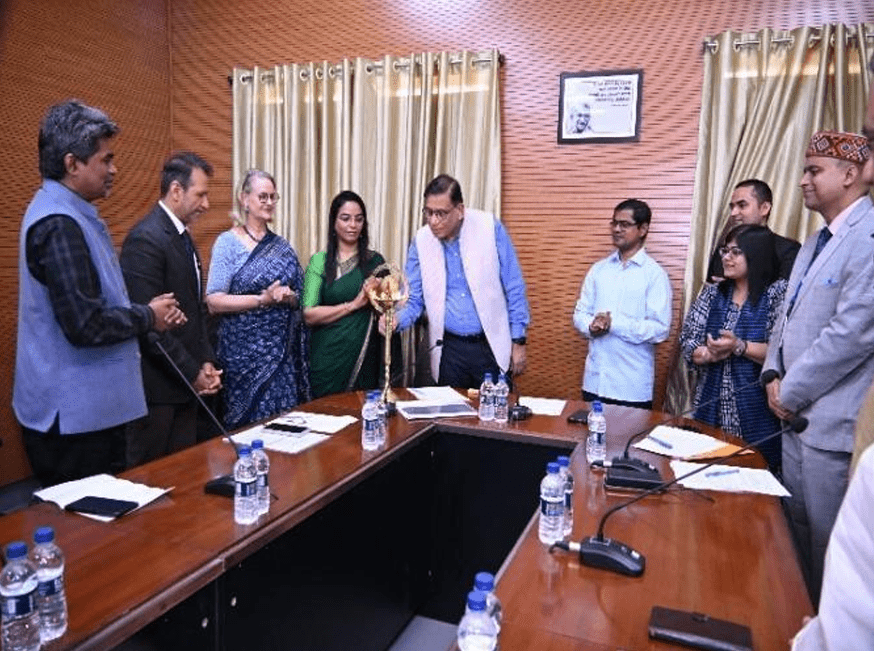
Ms. Andrea M. Wojnar, UNFPA Representative, India & Country Director, Bhutan inaugurated the Gender Resource Centre at Chanakya National Law University, Patna.
The event marked the formalization of the Memorandum of Understanding between CNLU and UNFPA, representing a collaborative effort toward advancing gender justice, strategic cooperation and strengthening implementation of laws and policies in Bihar.
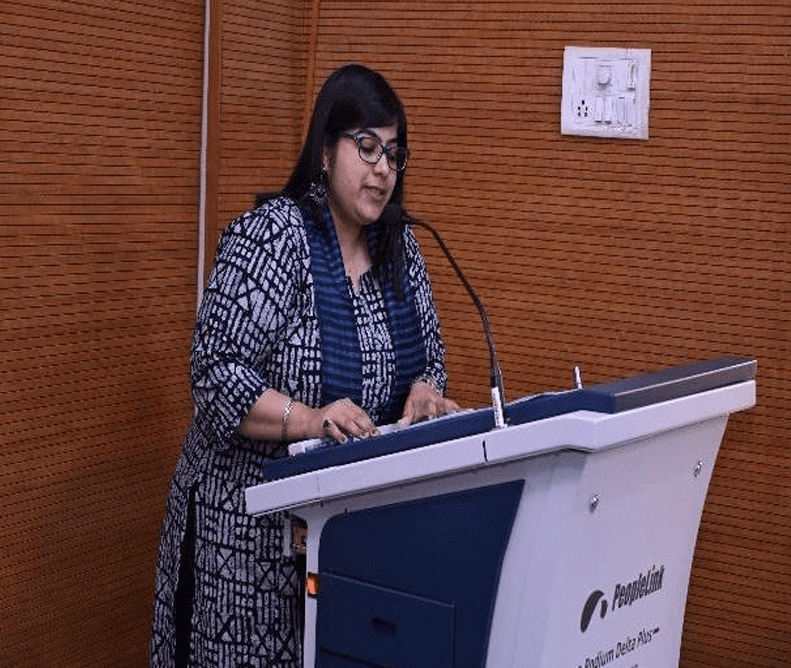
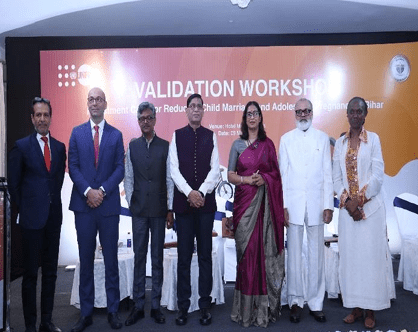

A Validation Workshop on Interventions to Address Child Marriage and Adolescent Pregnancy in Bihar was organized by the Gender Resource Centre, Chanakya National Law University (CNLU), Patna, in collaboration with the United Nations Population Fund (UNFPA), Bihar.
Child marriage and adolescent pregnancy remain formidable challenges in Bihar with far-reaching socio-economic, health and gender equality implications.
The workshop aimed to present and validate the findings of a UNFPA-supported study that outlined strategies and actionable recommendations to combat these critical issues.
It served as a platform for stakeholders, government officials, academia, civil society, international agencies and community leaders to engage in impactful dialogue, strengthen partnerships and formulate collective action plans for long-term social change.

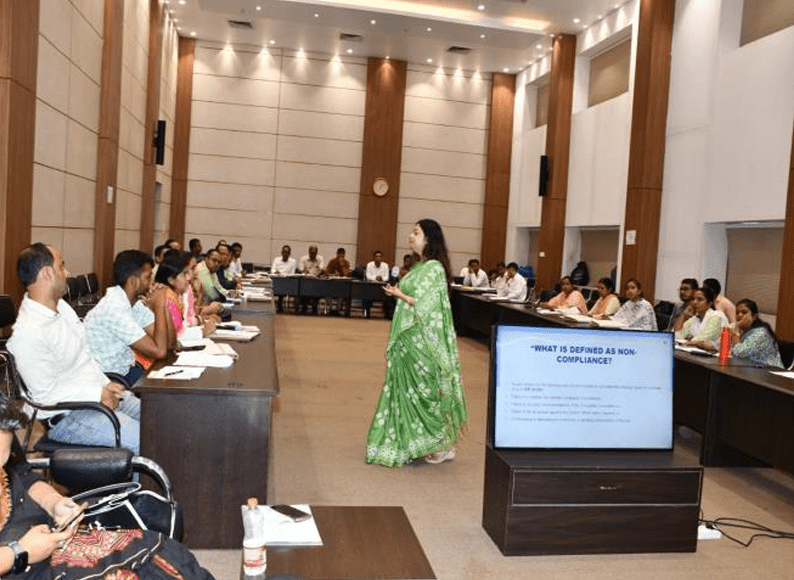
This workshop was organised by Women & Child Development Corporation, Bihar, in collaboration with Gender Resource Centre, CNLU Patna and UNFPA between June 30, 2025 to July 4, 2025.
This ToT programme was designed to equip district-level administrators with the knowledge, skills, and resources to train others on the POSH Act, 2013.
By creating a network of competent trainers, the programme aimed to enhance the implementation of the Act, ensure workplace safety, and promote gender equity across diverse sectors through a structured trickle-down effect.
Post-training, the trained trainers will be able to support workplaces in establishing internal committees, drafting policies, ensuring compliance, disposing of time-bound complaints, and submitting timely reports as per the policies of the POSH Act.
The trainers will also be able to build capacity and ensure compliance of Local Committees in matters of sexual harassment at workplaces having less than ten members (unorganized sectors).
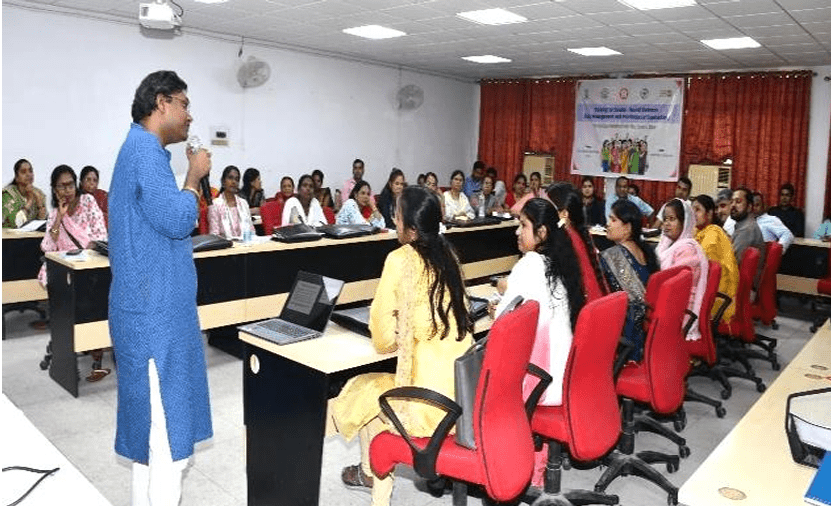
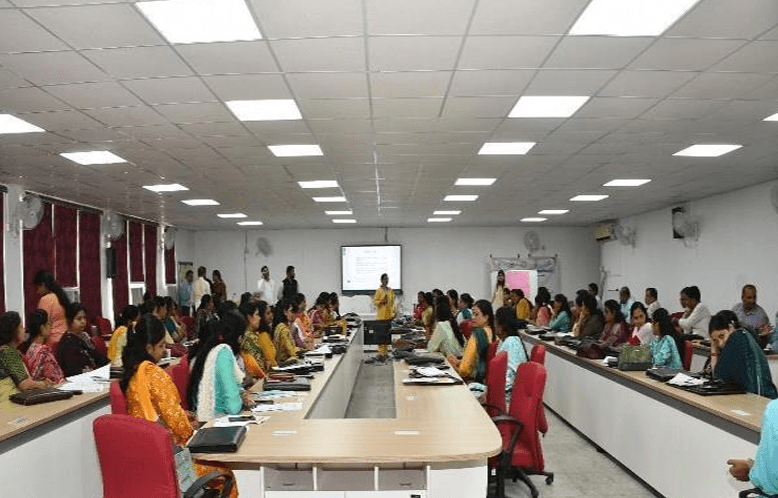
The workshops on Gender-Based Violence and Psycho-social Counselling empowered a total of 128 Centre Administrators, Counsellors, and Case Workers of Bihar’s One Stop Centres (OSCs).
The residential format fostered immersive learning and networking, amplifying the workshop’s overall impact and strengthening institutional collaboration among participants.
Gender-based violence (GBV) is a pervasive human rights violation deeply rooted in discriminatory social and gender norms that perpetuate inequality.
GBV is a manifestation of historically unequal power relations that have led to discrimination against women by men.
According to the National Family Health Survey (NFHS V, 2019–2021), 29.3% of ever-married women in India and 40% in Bihar aged 18–49 have experienced spousal violence.
Given the large population of India and Bihar, the scale of GBV remains significant and manifests in physical, sexual, emotional and economic forms.
Most violence occurs within homes and intimate relationships, leading survivors to suffer in silence due to stigma and fear.
GBV has severe health, economic and developmental consequences and remains a major barrier to achieving Sustainable Development Goal (SDG) 5 on gender equality while also impeding progress across all 17 SDGs.
Services addressing GBV should therefore strengthen survivor well-being, reduce revictimization and mitigate the long-term effects of violence.
Recognizing the importance of ensuring an integrated response to GBV, the Ministry of Women and Child Development, Government of India, initiated the establishment of One Stop Centres (OSCs) in 2015.
These OSCs provide survivor-centred care and enable GBV survivors to access a range of essential services through a single-point support system.
The State of Bihar has established 38 OSCs with Centre Administrators, Case Workers, Counsellors, Para-medical Staff, Para-legal Staff and Police Facilitation Officers.
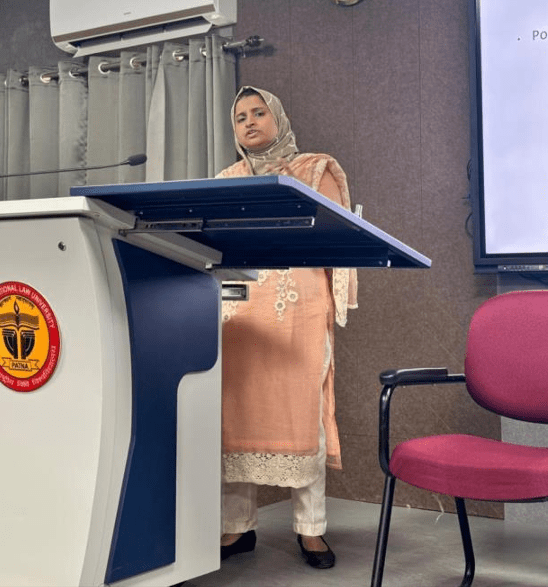
An elective course on ‘Constructions of Gender and Sexuality in Indian Modernity’ was offered to B.A., LL.B. (H) & B.B.A., LL.B. (H) students during the first semester of 2025–26.
This course explored the evolving constructs of gender and sexuality within the context of Indian modernity, examining how colonial and contemporary socio-legal frameworks have shaped these categories.
It investigates the intersections of gender, sexuality, caste, class, religion, and law, analyzing their implications for individual rights, social justice, and policy-making.
The course drew on multidisciplinary research to examine the role of law in both reinforcing and challenging gendered and sexual identities.
This course aimed to unpack the concept of gender as a lens for analyzing the dynamics of power and authority within human relationships, encompassing social and economic structures, familial ties, and intimate relationships.
Students developed a nuanced understanding of how gender shapes individual subjectivities and influences societal interactions.
The course enabled students to critically examine intersections between gender, caste, class, religion and sexuality through debates and analytical discussions.
It encouraged students to undertake a fresh and critical analysis of social norms, institutions and lived realities.
To facilitate this initiative, Mr. Abdul Jabbar, Youth & Gender Specialist, UNFPA-Bihar and Ms. Iffat Anjum, State Technical Consultant-Gender, PCI Bihar delivered a fieldwork orientation talk on August 22, 2025.
The orientation session provided students with practical guidance and insights into the realities of field research related to gender justice and social policy.
Students were introduced to field engagement methodologies, institutional frameworks and thematic exploration strategies.
The programme helped students make informed decisions while selecting fieldwork topics and understanding ground-level realities.
Under the experiential learning component, students from B.A., LL.B. (H) and B.B.A., LL.B. (H) programmes visited Sheikhpura district of Bihar on September 24, 2025.
This fieldwork exercise aligned with the Gender Resource Centre’s previous capacity-building initiatives on GBV counselling, POSH implementation and child marriage intervention programmes.
Students engaged directly with institutional stakeholders, community leaders and local committees to understand practical implementation frameworks.
A total of twenty-seven students participated in this fieldwork activity with support from WCDC, UNFPA-Bihar and PCI teams.
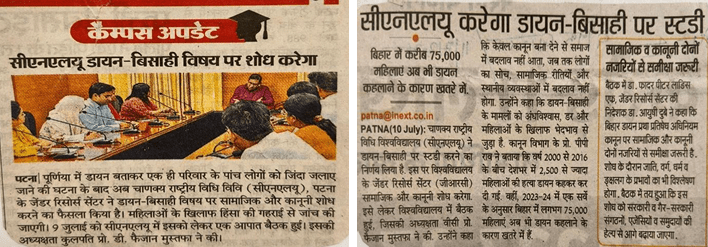
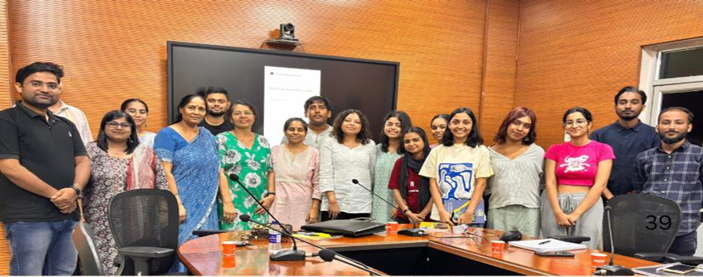
The Gender Resource Centre (GRC) at Chanakya National Law University (CNLU) convened an emergency meeting on July 9, 2025 following a distressing incident in Purnia district, Bihar where five members of a family were reportedly burnt alive over allegations of witchcraft.
The meeting was chaired by Prof. (Dr.) Faizan Mustafa, Hon’ble Vice Chancellor of CNLU, and attended by members of the GRC core team.
Prof. Mustafa emphasised the urgent need for rigorous socio-legal research into the socio-cultural underpinnings of witchcraft-related violence and systemic discrimination.
“While laws define the framework of acceptable conduct, their true efficacy depends on evolving social attitudes, cultural understanding, and institutional support.”
Witchcraft accusations often stem from fear, gender bias, superstition and religious belief systems. Addressing these issues requires evidence-based research that explores root causes and guides meaningful reform.
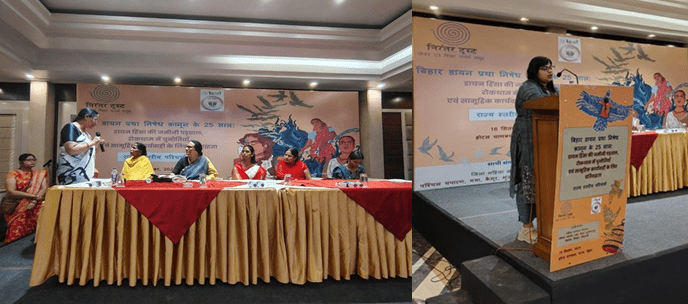
Prof. P.P. Rao cited NCRB data from 2000–2016 recording over 2,500 women killed under witchcraft allegations and referred to the 2023–24 Nirantar Trust survey estimating nearly 75,000 women in Bihar remain at risk of being labelled as “daayan”.
Dr. Ayushi Dube proposed a socio-legal study evaluating the Bihar Prevention of Witch Practices Act, 1999 while examining intersections of gender, caste, class and religion.
Emergency consultation organised at CNLU following the Purnia district incident.
Consultative meeting conducted with community experts and researchers.
State-level consultation organised in collaboration with Nirantar Trust on the 25th year of the Bihar Witchcraft Prevention Act, 1999.

Based on NCRB data and media reports, nearly 36 thousand children across India remain untraced since 2020. Bihar ranked 8th nationally with 5,204 girls and 796 boys reported missing during 2021–22.
More than 86% of missing children are female, highlighting gendered vulnerabilities and concerns relating to trafficking due to Bihar’s geographical proximity to Nepal and West Bengal.
Analysis of NCRB data from 2017–2022 revealed that, except for 2018, the number of untraced children in Bihar exceeded recovered children every year.
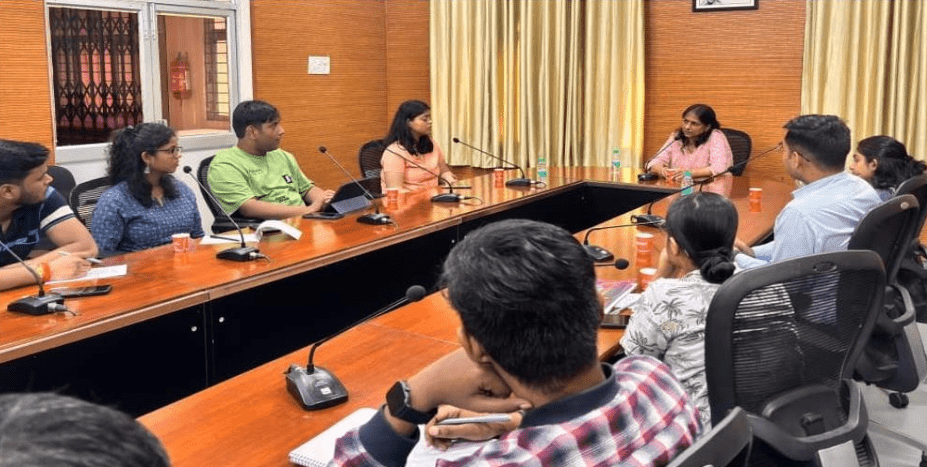
A consultative meeting with community experts was organised on 14 August 2025 and a student research group was formed for pilot research activities.
A research proposal was submitted for institutional pilot funding to further investigate systemic gaps concerning missing children.
This study identifies institutional barriers and systemic gaps within current policing practices while highlighting best practices for gender mainstreaming in law enforcement institutions.
Upon completion, CNLU-GRC plans to organise a validation workshop with subject matter experts and develop a short course for police professionals on Gender Responsive Policing.
CNLU-GRC interacted with 44 women police personnel across Gaya ji, Sheikhpura, Patna and Muzaffarpur districts.
Data transcription and translation are currently in progress.
Submission of the final pilot study report is scheduled.
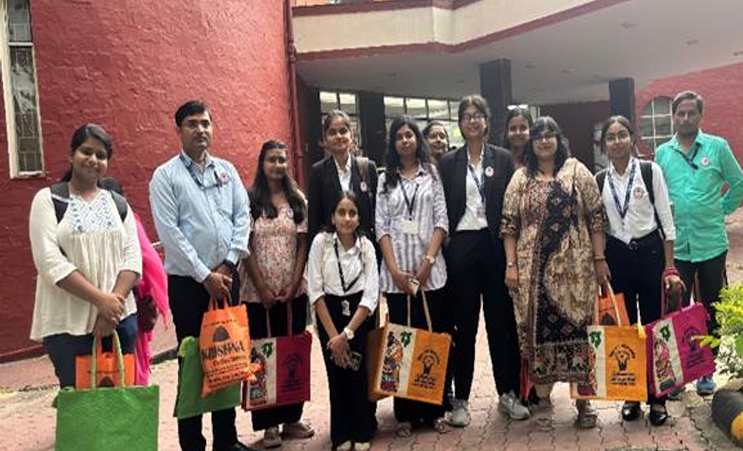
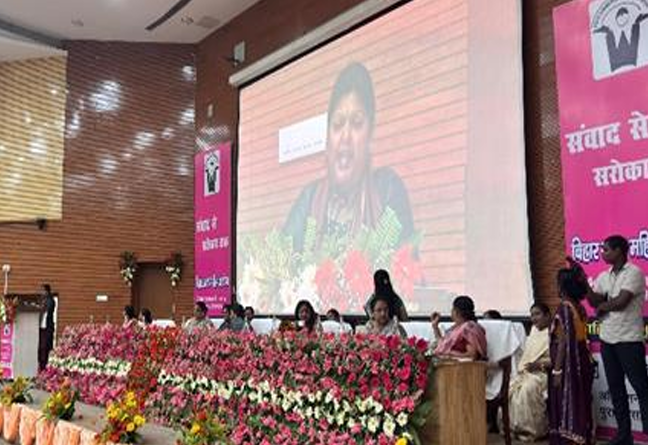
The GRC-CNLU team participated in the 24th Foundation Day celebration of the Bihar State Women’s Commission along with students.
The programme provided participants with valuable insights into various schemes, welfare initiatives and policy frameworks introduced for women across Bihar.
Students and faculty members engaged in discussions concerning gender justice, institutional mechanisms and women-centric governance initiatives within the state.
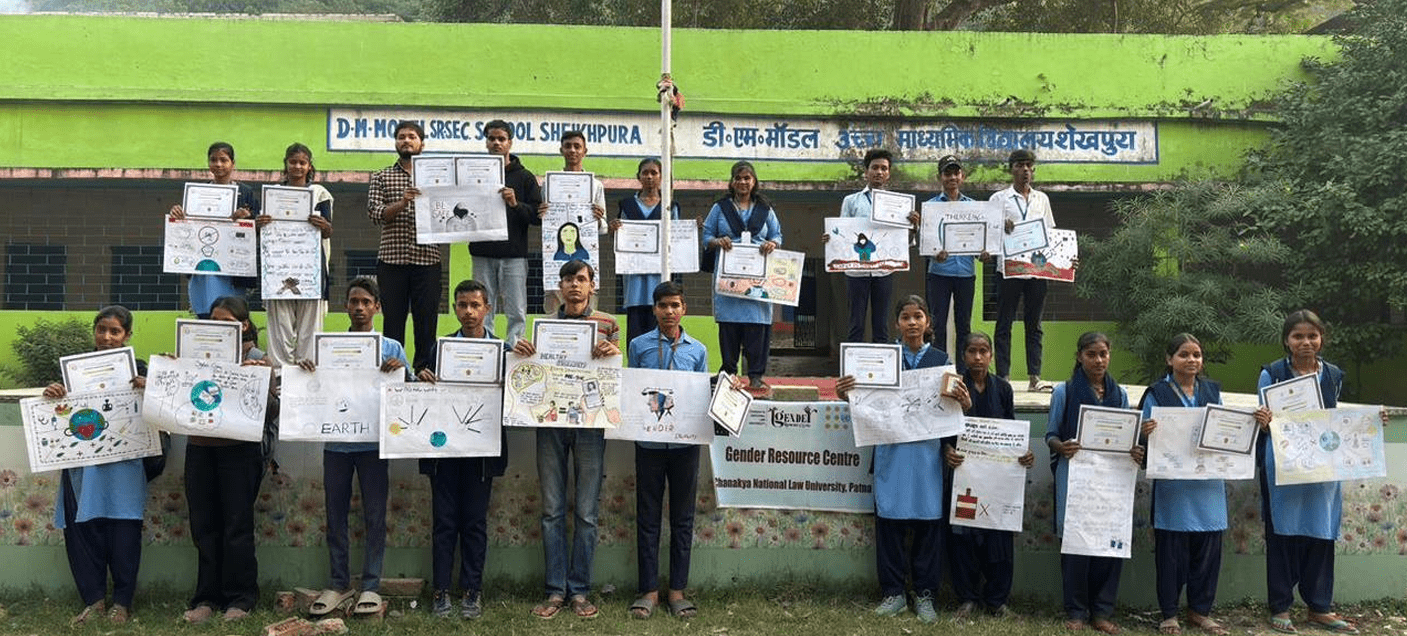
The GRC-CNLU team joined the UN campaign on the 16 Days of Activism against Gender-Based Violence to promote healthy masculinity, respectful online behaviour and gender-equitable communities.
The campaign focused on challenging harmful stereotypes, ending online abuse and promoting empathy, emotional expression and respect through inclusive models of masculinity.
CNLU-GRC, in collaboration with PCI and the Nukkad Natak team of Sheikhpura, organised street plays and a poster-making competition on November 26, 2025 in partnership with the District Education Department.
The activities were conducted across two schools in Sheikhpura district to spread awareness regarding gender equality and responsible digital behaviour.
Winners were honoured as “Gender Champions,” while all participants were recognised as “Changemakers” to encourage continued advocacy for gender equality within their communities.
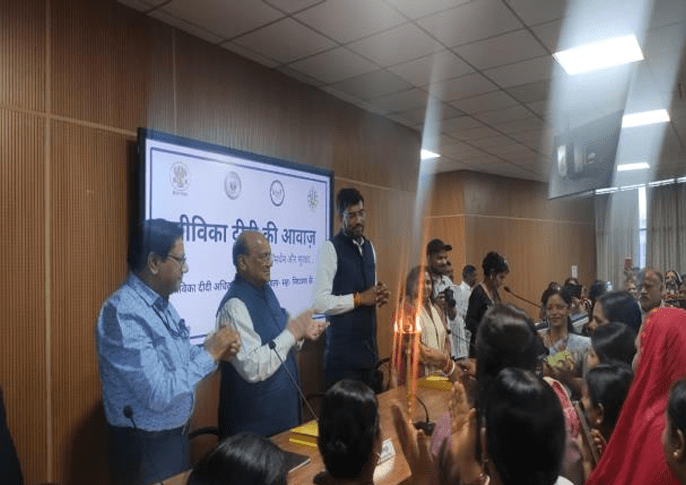

The “Jeevika–Didi ki Awaz Kendra” was inaugurated on the occasion of International Women’s Day.
The initiative was established through collaboration between Bihar Rural Livelihoods Promotion Society (JEEViKA) and the Piramal Foundation for Education Leadership (PFEL).
The centre functions as a support-cum-command centre for Jeevika Didi Adhikar Kendra (DAK), enabling coordinated grievance redressal and support services across Bihar.
Complaints and issues received from different districts of Bihar will be addressed in a structured and coordinated manner through the Didi Ki Awaz Kendra framework.
The Gender Resource Centre (CNLU-GRC) at Chanakya National Law University will act as the coordinating centre for the Didi Ki Awaz Kendra initiative.
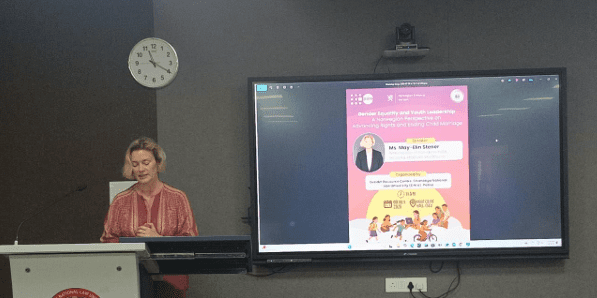
GRC-CNLU hosted an invited talk delivered by Ms. May-Elin Stener, Ambassador of Norway to India, Sri Lanka, Maldives and Bhutan.
The session explored Norway’s approach toward advancing gender equality and highlighted the role of youth leadership and policy innovation in driving systemic social change.
Students engaged in discussions concerning rights-based governance, child marriage prevention and international perspectives on gender justice.
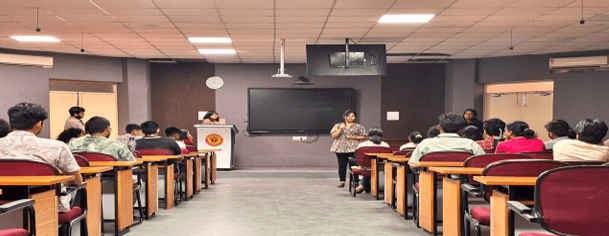
GRC-CNLU hosted a special screening of the film “Bol” on August 1, 2025 followed by an interactive discussion session.
The thought-provoking film initiated conversations around gender, silence, resistance and societal expectations.
Students reflected critically on issues concerning patriarchy, identity and social justice through cinematic storytelling.
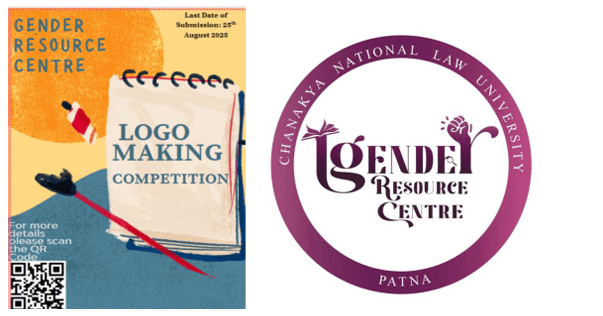
A logo-making competition was organised for the student community to design a visual identity for CNLU-GRC.
Students conceptualised logos reflecting the Centre’s vision, institutional values and commitment toward gender justice and community engagement.
The initiative encouraged creative participation and student ownership within the institutional identity-building process.
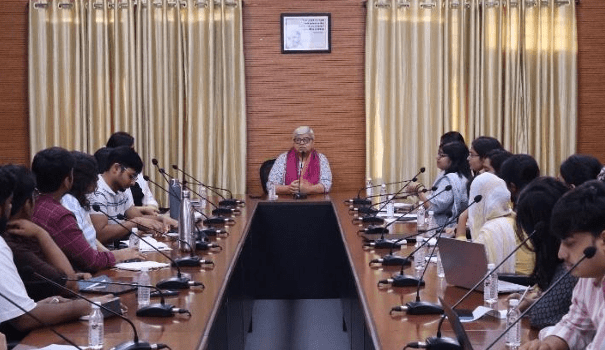
GRC-CNLU organised an interactive session with Ms. Shabnam Hashmi focusing on activism, gender equality and democratic family structures.
Ms. Hashmi shared experiences from her activism journey and discussed women’s rights, community engagement and social reform movements.
The programme concluded with a lecture titled “Democratising the Family: Toward Gender Equality and Shared Authority.”
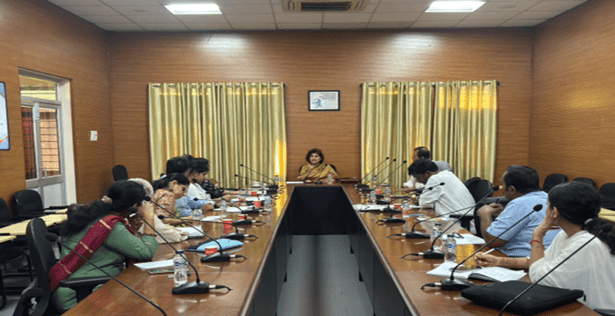
GRC-CNLU hosted an inspiring lecture by Ms. Rita Manchanda on “Women as Legal Subjects in the Emerging Political Reality: Challenging Journeys in India and South Asia.”
The session explored legal identities, women’s rights and socio-political transformations across India and South Asia.
Students engaged with themes concerning constitutional rights, political realities and gendered experiences within evolving democracies.
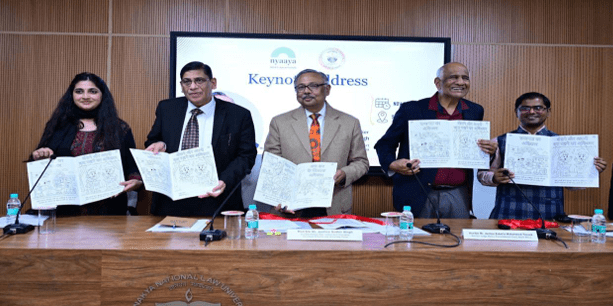
On Constitution Day, Justice Sudhir Singh and Hon’ble Justice Zakeria Mohammed Yacoob inaugurated a Hindi colouring book on children’s legal rights.
The colouring book was collaboratively developed by Nyaaya and GRC-CNLU as an early-stage legal literacy resource combining education and creativity.
The initiative also marked the inauguration of the Bihar Samvidhaan Fellowship 2025–26 and aimed to strengthen constitutional awareness among children and communities across Bihar.